USB Type-C 4-Pin Female Connector with Fixing Plate
Official Store Deal
Expert Analysis Overview
Precision Repair: The USB Type-C 4-Pin Connector
The USB Type-C 4-Pin Female Connector with Fixing Plate is a specialized repair component designed for technicians addressing damaged charging or data ports in compact electronic devices. This particular iteration focuses on essential power and basic data transfer, making it a targeted solution for specific repair scenarios. Its robust design, featuring a metal fixing plate, offers enhanced durability compared to board-only connectors.Understanding the 4-Pin Configuration
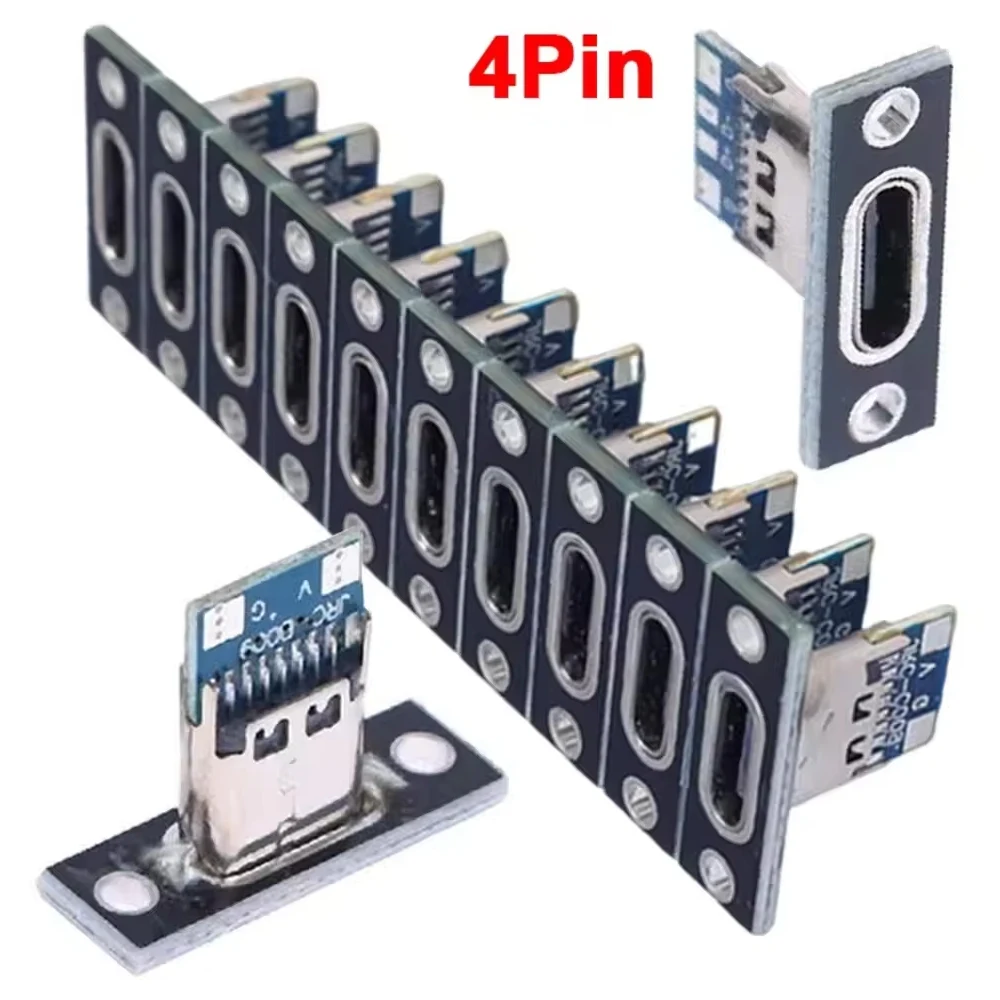
The connectors feature a standard USB Type-C female receptacle mounted on a small printed circuit board (PCB), secured by a metal fixing plate with two mounting holes. The visible pinout clearly indicates a 4-pin configuration, which is a significant departure from the full 24-pin Type-C standard. This design prioritizes essential power and basic data lines.This specific pin configuration means the connector is primarily suited for charging applications and basic USB 2.0 data transfer. Devices requiring advanced features like USB 3.0/3.1 speeds, video output, or Power Delivery (PD) beyond basic charging will not be fully supported. It's a focused solution.
Unlike full-featured 24-pin Type-C ports, which can be complex and costly to replace, these 4-pin units offer a streamlined, economical alternative for common charging port failures. Many budget-friendly devices or accessories only utilize these essential pins, making this an ideal, targeted repair part. This simplifies repairs considerably.
Structural Integrity and Installation
Each connector is integrated onto a small, rigid PCB, which then attaches to a metal fixing plate. The fixing plate measures approximately 20.1mm in length and 6.8mm in width, providing a stable base for mounting. Two pre-drilled holes on the plate facilitate secure attachment to a device's chassis or internal frame.This integrated fixing plate is a critical design element. It significantly reduces mechanical stress on the solder joints, a common failure point for USB ports that are frequently plugged and unplugged. The plate distributes force across a larger area.
Standard USB Type-C connectors often rely solely on PCB traces for structural support, leading to premature failure under repeated stress. The inclusion of a dedicated fixing plate elevates the mechanical resilience of this component, offering an upgrade in longevity for repaired devices. This is a key differentiator.
Pinout and Electrical Considerations
The 4-pin configuration typically includes VBUS (power), GND (ground), D+ (data positive), and DFor repair technicians, understanding this limited pinout is paramount. Attempting to use this connector in a device that expects a full 24-pin Type-C interface for advanced functions will result in partial or complete functional failure. Compatibility checks are non-negotiable.
Many generic replacement ports might not clearly specify their pin count, leading to compatibility issues. This product's explicit 4-pin designation allows for precise selection, preventing wasted effort and ensuring the repaired device functions as intended for its basic charging and data needs. It saves time and frustration.
Solder Quality and Connection Points
From the visual inspection, the solder pads on the PCB appear clean and well-defined, indicating a reasonable manufacturing standard for mass-produced components. The connection points for the USB Type-C receptacle to the PCB seem robust, suggesting good electrical continuity.Successful installation hinges on precise soldering. Technicians must ensure clean, strong solder joints to prevent intermittent connections or complete failure. Proper flux application and temperature control are essential for a reliable bond. This demands skill.
Unlike factory-installed ports that often use automated reflow soldering, these repair components require manual soldering. The quality of the final connection is directly dependent on the technician's expertise, making careful execution a priority for long-term reliability. Patient work pays off.
Value Proposition for Repair Professionals
Available in packs of 5 or 20, these connectors offer a cost-effective solution for bulk repairs or for maintaining an inventory of common replacement parts. The unit price becomes significantly more attractive when purchased in larger quantities, reducing overhead for repair shops.For independent repair technicians, sourcing hard-to-find proprietary ports or expensive OEM replacements can be a significant challenge. These generic, yet functionally specific, components provide an accessible and affordable alternative. This keeps repair costs down.
Compared to replacing an entire mainboard due to a damaged port, which can be prohibitively expensive, these individual connectors allow for component-level repair. This approach extends the life of electronic devices, offering a sustainable and economical option for consumers. It's a smart investment.
The Repair Technician's Advantage
Imagine a repair shop consistently turning away devices with damaged charging ports because replacement parts are too expensive or unavailable. This component changes that narrative. It empowers technicians to offer a viable, affordable repair for a common failure point. This expands service offerings.Consider the scenario of a customer with an older tablet or a budget smartphone where the charging port has failed. Replacing the device might not be financially sensible. Offering a precise, cost-effective repair with a component like this not only saves the customer money but also builds trust and loyalty. It's a win-win.
This specialized USB Type-C connector is not just a part; it's a tool for business growth and customer satisfaction. It allows for efficient, targeted repairs, ensuring devices can continue to serve their primary functions without unnecessary waste. This is smart repair strategy.