USB-C 2/4-Pin Charging & Data Port Modules
Official Store Deal
Expert Analysis Overview
The USB Type-C 2/4-Pin Female Connector Modules are essential discrete components engineered for hobbyists and professional integrators requiring robust, standardized power and data interfaces in custom electronics projects. These modules offer a practical solution for embedding modern USB-C connectivity into bespoke devices, repairs, or upgrades, significantly simplifying the integration process compared to direct-to-board soldering of bare connectors. Their design prioritizes ease of mounting and electrical stability, crucial for reliable long-term operation.
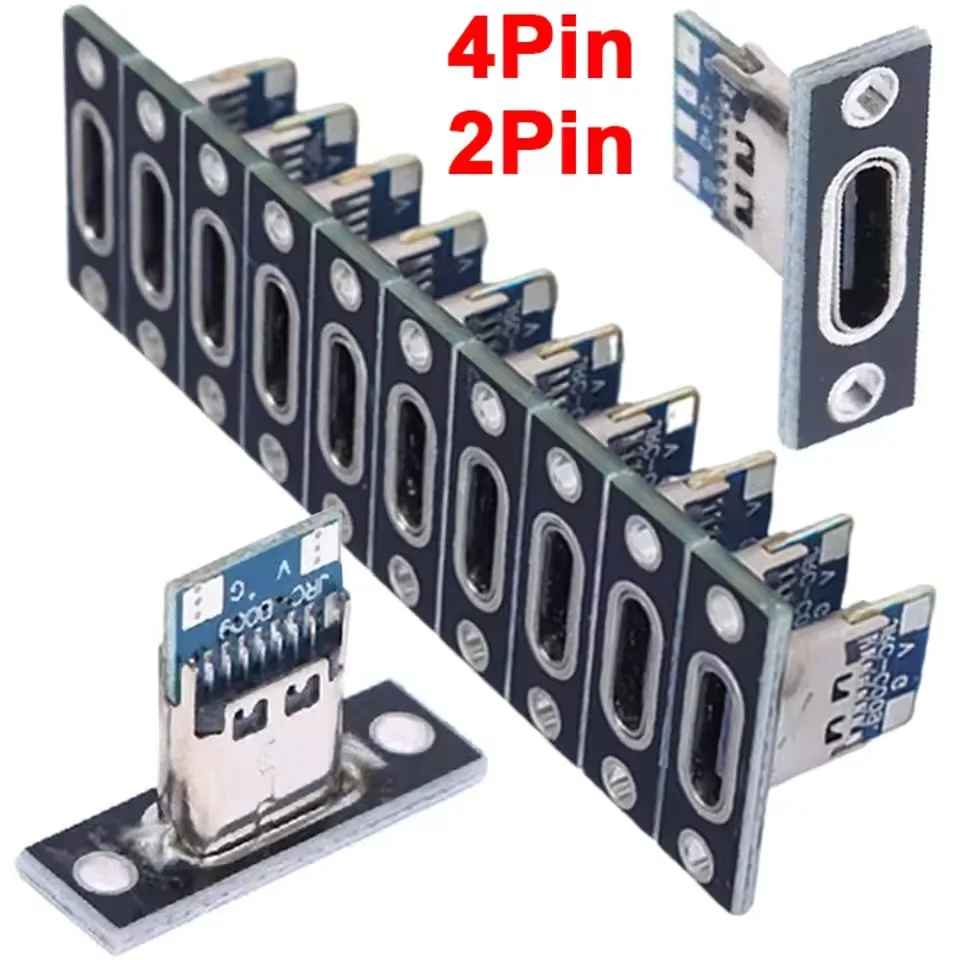
These modules present as small printed circuit boards (PCBs) with an integrated USB Type-C female connector, available in both 2-pin and 4-pin configurations. The visible construction indicates a focus on providing a stable mechanical and electrical interface, moving beyond the inherent fragility of surface-mount Type-C connectors when handled directly.
For custom builds, this means a significantly reduced risk of connector damage during assembly or subsequent use. Direct soldering of bare Type-C ports is notoriously difficult and prone to failure. These modules mitigate that. They offer a pre-fabricated, robust point of connection.
Compared to attempting to solder a bare Type-C connector, which often requires specialized equipment and a high degree of precision to avoid short circuits or cold solder joints, these modules streamline the process. They are an upgrade. This approach ensures a more reliable and durable connection, critical for devices that will see frequent plugging and unplugging cycles.
The availability of both 2-pin and 4-pin variants directly addresses different project requirements. The 2-pin version typically provides VBUS (power) and GND (ground) connections, making it ideal for charging-only applications. The 4-pin variant expands upon this, adding D+ and Dlines for basic USB 2.0 data transfer capabilities.
Understanding these pinouts is critical for proper functionality. A 2-pin module will not support data transfer, regardless of the connected cable or host device. This simplifies wiring for power-only needs. It reduces complexity.
Unlike generic micro-USB or mini-USB ports often found in older DIY projects, the Type-C form factor offers reversible insertion, a significant user experience improvement. While these modules do not expose all 24 pins of a full USB 3.1 Type-C connector, the exposed pins are sufficient for their intended basic power and data roles. This is a deliberate design choice, balancing complexity with utility for embedded applications.
A key feature highlighted by the images is the integrated fixing plate with mounting holes. This plate extends beyond the physical dimensions of the Type-C connector itself, providing a secure method for attachment to an enclosure or a larger PCB. The visible holes suggest standard screw mounting.
This mechanical reinforcement is paramount for the longevity of the port. Connectors, especially those frequently used, are often points of failure due to mechanical stress. The fixing plate distributes this stress across a wider area, protecting the solder joints and the PCB itself.
Compared to connectors that rely solely on their solder pads for mechanical integrity, the fixing plate offers superior strain relief. This design choice directly addresses the pain point of flimsy charging ports that can easily break off from a circuit board. It's a robust solution.
While these are USB Type-C connectors, it is crucial to understand their inherent limitations based on the pin count. The 2-pin version is strictly for power, meaning it can facilitate charging but will not support any data communication. The 4-pin version supports basic USB 2.0 data transfer, which is sufficient for many low-speed peripheral applications or firmware updates.
For power delivery, the modules themselves are passive components; the actual charging speed and wattage depend entirely on the external power management circuitry they are connected to. However, the Type-C form factor inherently supports higher current ratings than older USB standards, allowing for faster charging if the connected power source and device support it. Proper wiring is essential.
These modules are not designed for high-speed data transfer protocols like USB 3.1 Gen 1 or Gen 2, nor do they support advanced features like DisplayPort Alternate Mode or Thunderbolt. Users requiring such capabilities will need full-featured Type-C ports with all 24 pins exposed and routed. This is a trade-off for simplicity and compact integration.
For makers, hobbyists, and small-scale manufacturers, these modules offer significant value. The low unit cost, especially when purchased in packs, makes them an economical choice for projects requiring multiple Type-C ports or for prototyping. The ease of integration translates directly into reduced assembly time and fewer errors.
This value extends beyond just the initial purchase price. By providing a more robust and standardized interface, these modules contribute to the overall reliability and professional finish of a custom device. This reduces the likelihood of costly returns or repairs down the line. It's an investment in durability.
Unlike relying on less common or proprietary connectors, integrating USB Type-C ensures broad compatibility with existing charging infrastructure and accessories. This future-proofs projects to a certain extent, as Type-C becomes the universal standard. It simplifies user experience.
The design, featuring a small PCB and a fixing plate, inherently enhances the longevity of the connector in an embedded application. The PCB provides a stable substrate for the connector's solder joints, minimizing stress on individual pins. The fixing plate then secures the entire assembly.
In environments where devices might experience vibrations or frequent connection/disconnection cycles, this robust mounting is critical. A connector that detaches or develops intermittent contacts renders the entire device unusable. This design prevents such failures.
Compared to directly soldering wires to the tiny pads of a bare Type-C connector, which can easily fatigue and break over time, these modules offer a significantly more resilient solution. They are built for endurance. This translates to fewer field failures and a longer operational lifespan for the end product.
Integrating these Type-C modules into a project streamlines the entire assembly process. The clearly defined solder pads on the PCB make wiring straightforward, even for those with moderate soldering experience. The fixing plate allows for quick and secure mounting with standard hardware.
This efficiency in assembly directly impacts project timelines and overall cost. Less time spent on fiddly soldering means more time for other aspects of the design or faster production cycles. It accelerates development.
Unlike custom PCB designs that might require intricate routing for a full Type-C port, these modules provide a drop-in solution for adding basic Type-C functionality. This reduces design complexity and accelerates prototyping, allowing developers to focus on core product features rather than connector implementation. It's a smart shortcut.
Imagine completing your custom power bank or retrofitted vintage gadget with a modern, reversible charging port that feels solid and reliable. Picture a DIY smart home device that charges with the same universal cable as your smartphone, eliminating cable clutter. These USB-C connector modules empower you to build devices that are not only functional but also professionally finished and user-friendly, ensuring your creations stand the test of time and integrate seamlessly into the modern tech ecosystem. The satisfaction of a perfectly integrated, robust Type-C port in your next project is within reach.
Integrating Modern Connectivity: The Core Proposition
These modules present as small printed circuit boards (PCBs) with an integrated USB Type-C female connector, available in both 2-pin and 4-pin configurations. The visible construction indicates a focus on providing a stable mechanical and electrical interface, moving beyond the inherent fragility of surface-mount Type-C connectors when handled directly.
For custom builds, this means a significantly reduced risk of connector damage during assembly or subsequent use. Direct soldering of bare Type-C ports is notoriously difficult and prone to failure. These modules mitigate that. They offer a pre-fabricated, robust point of connection.
Compared to attempting to solder a bare Type-C connector, which often requires specialized equipment and a high degree of precision to avoid short circuits or cold solder joints, these modules streamline the process. They are an upgrade. This approach ensures a more reliable and durable connection, critical for devices that will see frequent plugging and unplugging cycles.
Pin Configurations and Their Practical Implications
The availability of both 2-pin and 4-pin variants directly addresses different project requirements. The 2-pin version typically provides VBUS (power) and GND (ground) connections, making it ideal for charging-only applications. The 4-pin variant expands upon this, adding D+ and D
Understanding these pinouts is critical for proper functionality. A 2-pin module will not support data transfer, regardless of the connected cable or host device. This simplifies wiring for power-only needs. It reduces complexity.
Unlike generic micro-USB or mini-USB ports often found in older DIY projects, the Type-C form factor offers reversible insertion, a significant user experience improvement. While these modules do not expose all 24 pins of a full USB 3.1 Type-C connector, the exposed pins are sufficient for their intended basic power and data roles. This is a deliberate design choice, balancing complexity with utility for embedded applications.
Mounting and Mechanical Stability: Beyond the Bare Connector
A key feature highlighted by the images is the integrated fixing plate with mounting holes. This plate extends beyond the physical dimensions of the Type-C connector itself, providing a secure method for attachment to an enclosure or a larger PCB. The visible holes suggest standard screw mounting.
This mechanical reinforcement is paramount for the longevity of the port. Connectors, especially those frequently used, are often points of failure due to mechanical stress. The fixing plate distributes this stress across a wider area, protecting the solder joints and the PCB itself.
Compared to connectors that rely solely on their solder pads for mechanical integrity, the fixing plate offers superior strain relief. This design choice directly addresses the pain point of flimsy charging ports that can easily break off from a circuit board. It's a robust solution.
Power Delivery and Data Throughput: Understanding Limitations
While these are USB Type-C connectors, it is crucial to understand their inherent limitations based on the pin count. The 2-pin version is strictly for power, meaning it can facilitate charging but will not support any data communication. The 4-pin version supports basic USB 2.0 data transfer, which is sufficient for many low-speed peripheral applications or firmware updates.
For power delivery, the modules themselves are passive components; the actual charging speed and wattage depend entirely on the external power management circuitry they are connected to. However, the Type-C form factor inherently supports higher current ratings than older USB standards, allowing for faster charging if the connected power source and device support it. Proper wiring is essential.
These modules are not designed for high-speed data transfer protocols like USB 3.1 Gen 1 or Gen 2, nor do they support advanced features like DisplayPort Alternate Mode or Thunderbolt. Users requiring such capabilities will need full-featured Type-C ports with all 24 pins exposed and routed. This is a trade-off for simplicity and compact integration.
The Value Proposition for Custom Builds
For makers, hobbyists, and small-scale manufacturers, these modules offer significant value. The low unit cost, especially when purchased in packs, makes them an economical choice for projects requiring multiple Type-C ports or for prototyping. The ease of integration translates directly into reduced assembly time and fewer errors.
This value extends beyond just the initial purchase price. By providing a more robust and standardized interface, these modules contribute to the overall reliability and professional finish of a custom device. This reduces the likelihood of costly returns or repairs down the line. It's an investment in durability.
Unlike relying on less common or proprietary connectors, integrating USB Type-C ensures broad compatibility with existing charging infrastructure and accessories. This future-proofs projects to a certain extent, as Type-C becomes the universal standard. It simplifies user experience.
Longevity and Reliability in Embedded Systems
The design, featuring a small PCB and a fixing plate, inherently enhances the longevity of the connector in an embedded application. The PCB provides a stable substrate for the connector's solder joints, minimizing stress on individual pins. The fixing plate then secures the entire assembly.
In environments where devices might experience vibrations or frequent connection/disconnection cycles, this robust mounting is critical. A connector that detaches or develops intermittent contacts renders the entire device unusable. This design prevents such failures.
Compared to directly soldering wires to the tiny pads of a bare Type-C connector, which can easily fatigue and break over time, these modules offer a significantly more resilient solution. They are built for endurance. This translates to fewer field failures and a longer operational lifespan for the end product.
Optimizing Your Project Workflow
Integrating these Type-C modules into a project streamlines the entire assembly process. The clearly defined solder pads on the PCB make wiring straightforward, even for those with moderate soldering experience. The fixing plate allows for quick and secure mounting with standard hardware.
This efficiency in assembly directly impacts project timelines and overall cost. Less time spent on fiddly soldering means more time for other aspects of the design or faster production cycles. It accelerates development.
Unlike custom PCB designs that might require intricate routing for a full Type-C port, these modules provide a drop-in solution for adding basic Type-C functionality. This reduces design complexity and accelerates prototyping, allowing developers to focus on core product features rather than connector implementation. It's a smart shortcut.
Imagine completing your custom power bank or retrofitted vintage gadget with a modern, reversible charging port that feels solid and reliable. Picture a DIY smart home device that charges with the same universal cable as your smartphone, eliminating cable clutter. These USB-C connector modules empower you to build devices that are not only functional but also professionally finished and user-friendly, ensuring your creations stand the test of time and integrate seamlessly into the modern tech ecosystem. The satisfaction of a perfectly integrated, robust Type-C port in your next project is within reach.